Uncover Quality Engines for Sale: What to Watch For
When searching for quality engines for sale, several vital factors enter the equation. Buyers must consider the engine type that matches their operational needs and fuel preferences. Additionally, understanding the engine's condition and specifications is important. A comprehensive assessment of potential sellers can expose reliable choices. However, the journey doesn't end there. Compatibility with the vehicle is critical, and budget considerations additionally complicate the process. What other factors should buyers consider?
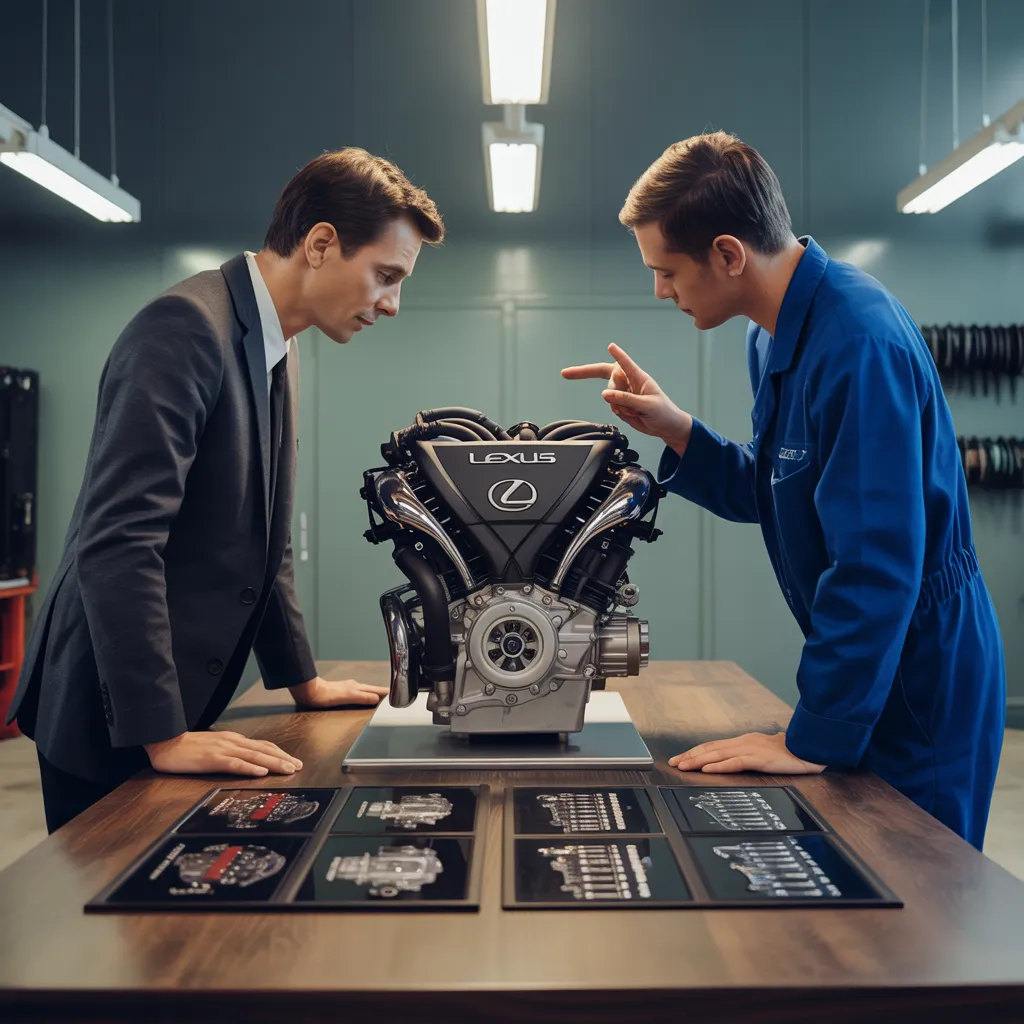
Learning About Various Engine Types: Which One Fits Your Needs?
When selecting an engine, how does one determine the right type for their needs? Understanding the various engine types is essential for making an informed decision. Engines are typically classified into gasoline, diesel, and electric types. Quick acceleration and high performance define gasoline engines, contributing to their widespread use in sports automobiles. In comparison, diesel engines earn recognition for their fuel efficiency and torque capabilities, optimal for rigorous applications. Electric engines are gaining traction due to their eco-friendliness and low maintenance costs, suitable for urban commuting.
Additionally, factors such as the vehicle's intended use, spending limit, and personal preference greatly influence the choice. Enthusiasts may focus on horsepower and speed, while others might prioritize longevity and reliability. At the end of the day, understanding these distinctions allows individuals to choose an engine that corresponds to their specific requirements, ensuring the best performance and satisfaction.
Motor Condition: Brand New, Second-Hand, or Remanufactured?
How can someone evaluate the condition of an engine when considering a purchase? The choice between new, used, or remanufactured engines significantly impacts durability and performance. A new engine ensures the highest reliability and warranty protection, perfect for those seeking a new beginning. However, it comes at a higher cost. Used engines can be less expensive but may pose risks concerning wear and potential hidden issues. Buyers need to review the engine's past records, mileage, and any previous repairs to assess its reliability.
Remanufactured engines provide balance, delivering components brought back to factory specifications, delivering a mix of quality and cost-effectiveness. It's important to source from trustworthy sellers who deliver detailed inspections and warranties. Ultimately, the decision relies on budget, performance expectations, and the intended application, requiring careful consideration of each engine type's pros and cons.
Essential Engine Specifications: Capability, Dimensions, and Energy Source
Understanding engine specifications is essential for making an informed purchase decision. Important metrics such as power, size, and fuel type greatly influence an engine's performance and suitability for a given application.
Power is commonly measured in horsepower or kilowatts, delivering insight into an engine's ability to perform tasks efficiently. Buyers should assess their specifications to ensure the engine meets or exceeds essential power levels.
Dimensions, commonly measured concerning displacement (liters or cubic inches), impacts both power output and compatibility with existing machinery. A proper fit is vital for maximum operation and longevity.
Fuel type represents another key factor to consider. Engines can function on gasoline, diesel, or alternative fuel options, all offering their own advantages and limitations. Recognizing fuel demands can impact operational expenses and environmental implications.
Locating Reliable Sellers: How to Know Who to Trust?
What factors should purchasers evaluate to find reliable engine vendors? First, reputation plays an important role; potential customers should find vendors with strong reviews and recommendations from earlier buyers. Examining online communities and social media channels can reveal details about a seller's dependability. Second, transparency is essential; credible vendors should easily furnish complete data about the engine's history, covering any fixes and upkeep records. Thirdly, warranty offerings are indicative of seller confidence; a robust warranty can signal a seller's accountability for their products. Fourth consideration, evaluate the vendor's expertise in the field; established businesses are often more reliable than new entrants. Finally, strong communication is essential; sellers who respond quickly and answer concerns exhibit professionalism and customer service. By evaluating these criteria, buyers can greatly reduce the risk of purchasing a subpar engine from an untrustworthy source.
Why Compatibility Matters: Ensuring Fit With Your Vehicle
When acquiring a replacement engine, ensuring compatibility with the vehicle is crucial. This involves matching engine specifications to the specific year, make, and model to guarantee maximum performance. Proper fit not only enhances reliability but also prevents potential mechanical issues down the line.
Engine Parameters Match
Verifying that engine specifications match is crucial for peak vehicle performance. Compatibility transcends mere physical dimensions; it encompasses vital factors such as horsepower, torque, and fuel type. An engine's displacement, for example, directly impacts the vehicle's acceleration and efficiency. Furthermore, the type of ignition system and fuel delivery method must align with the vehicle's existing setup to prevent operational issues. Mismatched specifications can lead to significant consequences, including diminished performance, increased wear, or even catastrophic failure. Thus, thorough research and comparison of specifications are essential when buying a replacement engine. Understanding these details not only verifies optimal functionality but also lengthens the lifespan of the vehicle, providing peace of mind for the owner.
Compatibility by Year, Make, and Model
Compatibility between the year, make, and model of a vehicle with its replacement engine is crucial for superior performance and reliability. When shopping for an engine, buyers must confirm that the engine is built specifically for their vehicle's specifications. This includes recognizing variations in engine types, such as V6 versus V8, as well as changes in technology and emissions standards over different production years. Incompatible components can lead to poor performance, increased wear, and potential safety hazards. Moreover, using an incompatible engine may cancel warranties or require extensive modifications, resulting in additional costs. Consequently, thorough research is essential to ensure that the selected engine fits the vehicle's requirements, guaranteeing superior functionality and longevity.
Engine Purchase Budget Planning: Understanding the Expected Costs
When creating a budget for buying an engine, comprehending the various types of engines is critical, as prices can vary greatly. Furthermore, intended buyers should factor in further costs, such as labor and shipping, that may appear during the installation process. Adequate financial planning guarantees that the entire engine purchase experience remains achievable and within budget.
Grasping Motor Varieties
Comprehending the different types of engines available is vital for anyone aiming to budget efficiently for an engine purchase. Engines can be generally classified into categories such as gasoline, diesel, hybrid, and electric. Gasoline engines are generally less expensive and more prevalent, while diesel engines are renowned for their durability and fuel efficiency but often come at a higher initial cost. Hybrid engines combine gasoline and electric power, offering enhanced fuel economy, while electric engines are growing popular for their low operating costs. Each type offers distinct advantages and disadvantages, impacting both purchase price and long-term expenses. By grasping these distinctions, buyers can make knowledgeable choices that match their budget and performance needs.
Extra Expenses To Keep In Mind
Planning a budget for an engine purchase includes more than just the base cost of the engine itself. Customers ought to prepare for additional expenses that can significantly affect the overall budget. Transportation costs might emerge, specifically for heavy or bulky engines, which can fluctuate according to distance and copyright. Installation costs are a further concern; expert setup may be required, adding labor charges. Additionally, potential upgrades or modifications may be required to ensure compatibility with the vehicle, resulting in extra charges. Furthermore, maintenance expenses, covering fluids and filters, should not be overlooked. Lastly, warranty options might impact the price, as extended coverage might deliver peace of mind but at an additional expense. All things considered, comprehensive budget planning is essential for a successful engine purchase.
Advice for a Hassle-Free Purchase Journey: Understanding the Buying Process
Managing the acquisition process for high-quality engines requires careful consideration and planning. Potential buyers should commence by examining reputable sellers, guaranteeing they have excellent reviews and a strong track record. It is vital to verify the engine's history, including miles driven, maintenance records, and any previous repairs.
Following this, interested buyers should inquire about warranties and return policies, as these can give peace of mind. Examining the engine in person is essential; look for indicators of wear, corrosion, or damage.
In addition, arranging for a professional inspection can aid in identify potential issues. Understanding pricing trends can also assist in negotiating a fair deal. It's advisable to establish a budget that includes potential additional costs, such as shipping or installation.
Finally, copyright transparent communication with the seller all through the process to guarantee transparency and trust. Following these tips can lead to a smoother and more successful engine purchase journey.
Frequently Asked Questions
How Can I Verify an Engine's History Before Buying?
To confirm an engine's history, it's advisable to ask for its Vehicle Identification Number (VIN), examine service history, and obtain a vehicle history report. Moreover, consulting online databases and previous owners can give important details into the engine's condition.
Are Warranties Offered on Used Engines?
Yes, warranties for used engines are often available, typically spanning a few months to several years. Buyers should inquire about specific terms, coverage access this information details, and whether the warranty is provided by the seller or manufacturer.
What's the Typical Lifespan of a Remanufactured Engine?
The expected lifespan of a remanufactured engine commonly spans from 100,000 to 200,000 miles of use, depending on maintenance and usage. With appropriate maintenance, these engines can operate reliably for many years, supplying substantial value to vehicle owners.
How Can I Verify if an Engine Has Been Maintained Properly?
An engine's service history can be determined through service records, visual inspections, signs of wear, fluid conditions, and regular maintenance intervals. A properly serviced motor usually displays minimal corrosion and consistent oil changes.
Is Engine Return Allowed if It Doesn't Fit My Vehicle?
Seller return policies vary; some enable returns if the engine fails to fit, while others possibly won't. It's crucial for purchasers to confirm the particular return policy prior to buying to prevent possible problems later.